Yes, Deotha village is a genuinely good place to stay during monsoon, as long as you pick the right kind of stay. The rain here doesn’t shut things down the way it does in crowded hill towns. It softens the forest, fills the streams, and turns the whole valley a deeper shade of green. What actually decides whether your trip feels magical or miserable is where you stay, and this is exactly why a well-run homestay in Deotha makes such a big difference over a regular hotel.
Most travellers get monsoon travel wrong because they judge Himachal Pradesh by what they’ve heard about Manali or Shimla during the rains, traffic jams, landslides on the highway, and packed markets with nowhere quiet to sit. Deotha is a different story altogether. It’s a small, forested village tucked in Kullu district, away from the tourist rush, and that quietness is precisely what makes monsoon here feel special rather than stressful.
If you’re actually planning this trip, the real answer lies in choosing a homestay in Deotha that understands mountain weather, keeps guests comfortable indoors, and still gives you enough to do outside when the skies clear. That’s the difference between a homestay that survives monsoon and one that’s actually built for it.
What Makes Deotha Village Special During Monsoon
Deotha sits in the Banjar tehsil of Kullu district, close to the Great Himalayan National Park buffer zone, at an elevation that keeps summers cool and monsoons mild rather than harsh. The village is wrapped in deodar and oak forest, and during the rainy months, this forest comes alive. Birdsong gets louder, the air smells of wet pine, and small streams that stay dry in peak summer start flowing again.
Unlike low-lying tourist towns that flood or jam up during heavy rain, Deotha’s forest cover and gentle slopes mean water drains naturally and the village rarely feels chaotic. Locals here have lived with monsoon patterns for generations, and most homes, including homestays, are built with sloped roofs and covered verandas specifically designed for rain.
This is also the season when the Tirthan river swells and roars louder than usual, when mist rolls over the ridgelines every evening, and when the entire Jibhi-Tirthan belt looks like something out of a painting. If you’ve ever wanted photographs of Himachal that don’t look like everyone else’s summer album, monsoon in Deotha delivers that.
Rainfall Pattern and What to Actually Expect
Kullu district typically receives moderate monsoon rainfall between late June and September, lighter than the heavy monsoon belts of Himachal like Dharamshala, but enough to keep the forest lush. Expect short, intense showers in the afternoon or evening, followed by clear mornings and golden light, rather than continuous all-day rain. This pattern is exactly why staying at a homestay in Deotha works so well. You get long, clear windows for walks and sightseeing, with the rain arriving mostly when you’d want to be relaxing indoors anyway.
Pro Tip: Plan outdoor activities like walks, waterfall visits, or river-side time for mornings, and keep afternoons flexible for reading, chai, and watching the rain from a covered deck.
Why a Homestay in Deotha Beats a Hotel During Rainy Season
Hotels in busier towns are built for volume, lots of rooms, fast turnover, minimal personal attention. During monsoon, when power can flicker and roads occasionally need extra care, that model shows its cracks. A homestay in Deotha works differently because it’s usually run by people who actually live through every monsoon in that same village.
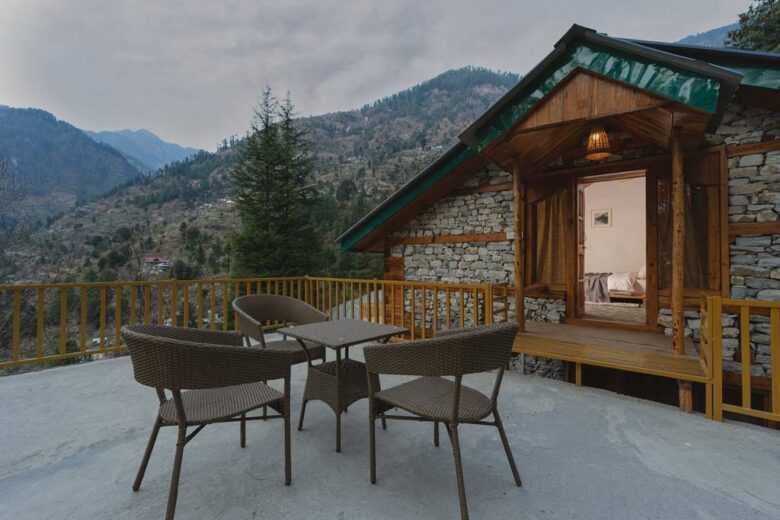
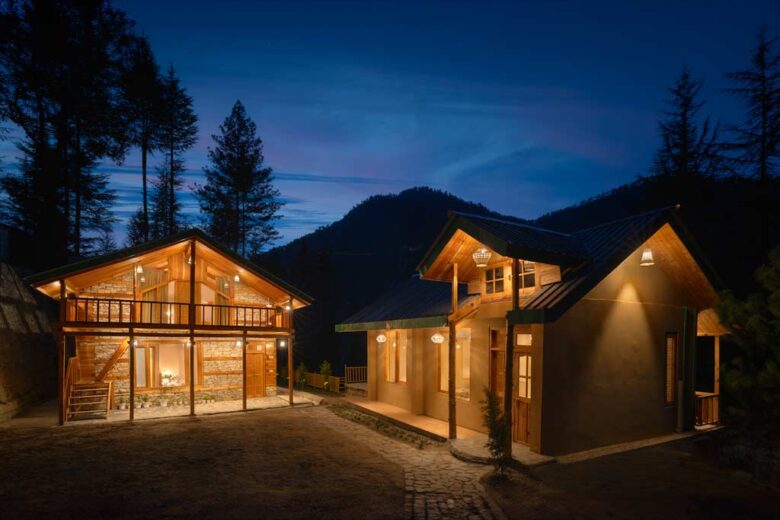
At BhigaSa, for example, the property is designed around the season rather than in spite of it. Rooms open onto forest views instead of parking lots, verandas are built for sitting through a rain shower with a hot cup of tea, and the pace of the stay itself is slower and more intentional. This is what a genuine homestay near Tirthan Valley should feel like, not a transaction, but a small, warm welcome into someone’s home.
There’s also the practical side. Home-cooked meals mean you’re not depending on restaurants that might close early due to weather. Local hosts know which trails are safe to walk after rain and which to skip for a day. That kind of real, lived experience is something no five-star hotel chain can replicate, and it’s a big reason travellers increasingly search for the best homestay in Deotha rather than defaulting to a hotel in a nearby town.
Best Homestay in Deotha: What BhigaSa Offers Travellers
BhigaSa sits right in Deotha village, Tehsil Banjar, District Kullu, surrounded by dense jungle and mountain views on almost every side. It has earned a reputation as a luxury homestay in Deotha village not because of chandeliers or marble floors, but because of thoughtful design, boutique rooms, private decks, big windows that frame the forest, and a genuine focus on comfort during every season.
The property offers four distinct rooms: Barkha, Baadal, Parvat, and Tarang. Each room is around 300 square feet with a king bed and a private balcony or sitting deck. During the monsoon, these decks become the best spot to relax. Watch the mist drift through the trees while staying warm and dry.
What guests consistently mention is the food. Home-cooked meals at BhigaSa are central to the experience. Every meal is prepared with the warmth of a family kitchen in the hills. Reliable WiFi keeps you connected when needed. Slow mornings begin with birdsong instead of traffic noise. Together, these comforts make BhigaSa one of the best homestays in Deotha for a peaceful monsoon escape.
Boutique Comfort Without Losing the Local Feel
A common worry with monsoon travel is that comfort and authenticity don’t go together. You usually choose between a fancy resort that feels disconnected and a basic guesthouse that’s uncomfortable during heavy rain. BhigaSa was built to sit right in the middle. It is a luxury homestay in Deotha village with well-designed rooms and attentive service. At the same time, it keeps the warmth of a real mountain home. It is run by locals who know the land well.
Homestay Near Tirthan Valley: Why Location Matters in Monsoon
Deotha’s location is one of its biggest advantages. It sits close to Tirthan Valley, making the river, forests, and trout fishing spots easy to reach. Guests enjoy a short drive to popular attractions. At the same time, they stay in a quieter location away from the busy valley road. Choosing a homestay near Tirthan Valley like BhigaSa gives you the best of both worlds. You get easy access to local highlights and a peaceful place to relax after a day of exploring.
During monsoon specifically, this matters more than people expect. The Tirthan River runs fuller and faster during the monsoon. Waterfalls along the route become more dramatic, and the landscape turns a vibrant green. Staying in peaceful Deotha lets you enjoy beautiful scenery away from crowded tourist areas. Even during the rainy season, Tirthan’s popular stretches attract many visitors.
Best Homestay Near Jibhi and Best Stay Near Jibhi: Comparing the Options
Jibhi has become one of Himachal’s most photographed offbeat destinations. Its growing popularity has brought a flood of new stays. Some are excellent, but many feel rushed and generic. Travellers searching for the best homestay near Jibhi often want to avoid crowded cafes, noisy lanes, and copy-pasted rooms.
Deotha is just a short drive from Jibhi and offers a much quieter atmosphere. Popular attractions like Jibhi Waterfall, Chehni Kothi Tower, and the surrounding pine forests are all within easy reach. If you’re looking for the best stay near Jibhi, choose a homestay slightly away from the main village. BhigaSa in Deotha offers a peaceful monsoon retreat without compromising on convenience.
This is also where real hospitality experience shows. Hosts who have run a homestay in Deotha for years know which nearby spots are safe after rainfall and which become too slippery to visit.
Things to Do Near Deotha During Monsoon
- Forest walks around Deotha: Enjoy short guided walks through deodar forests during light rain breaks. Fewer insects make the experience even more pleasant.
- Tirthan riverside visits: The river runs fuller and looks more scenic during the monsoon. Enjoy it from safe, marked riverbanks and avoid getting too close to the current.
- Jibhi waterfall: A short trip from Deotha, this waterfall is at its most powerful right after monsoon showers.
- Chehni Kothi tower: A historic stone tower near Jibhi, worth visiting on a clear morning before afternoon rain sets in.
- Slow mornings on the deck: Enjoy warm chai as clouds drift over Deotha’s scenic ridgeline during the monsoon.
Monsoon Travel Tips for Himachal Pradesh
Travelling to Kullu and Banjar during monsoon is generally safe if you plan sensibly. Carry a light raincoat or poncho rather than just an umbrella, since hill winds make umbrellas unreliable. Choose footwear with good grip for wet stone paths. Keep an extra day in your itinerary as a buffer for weather-related delays on hill roads. Always check local road conditions before long drives, especially on higher-altitude routes.
Booking a homestay in Deotha instead of staying on a busy highway also helps reduce traffic disruptions. Village roads usually have much less commercial traffic than popular tourist highways.
Why Monsoon Might Actually Be the Best Time to Visit Deotha
There’s a reason experienced hill travellers deliberately plan monsoon trips instead of avoiding them. Fewer tourists mean better rates and more attentive hosts. You also experience a quieter side of Himachal that feels authentic, not like the crowded peak-season version.
A well-chosen homestay in Deotha turns monsoon from a risk into the main reason to visit. The forests turn greener, the air feels cleaner, and the rivers flow fuller during the monsoon. The slower pace makes every trip feel more relaxing. For travellers seeking peace instead of crowded hill stations, this rain-washed side of Himachal Pradesh often leaves the strongest memories.
Conclusion
BhigaSa was built for exactly the kind of monsoon trip described above, a quiet, forested homestay in Deotha where rain feels like part of the experience rather than an inconvenience. Between boutique rooms with private decks, home-cooked meals, and a location that puts Jibhi and Tirthan Valley within easy reach, it stands out as one of the best homestay options in this belt of Kullu district. If you’ve been searching for the best homestay near Jibhi or a peaceful homestay near Tirthan Valley that doesn’t compromise on comfort, monsoon season at BhigaSa is worth experiencing firsthand. Check room availability and plan your stay directly through the BhigaSa website.
Frequently Asked Questions
A: Yes, it’s generally safe with basic precautions. Deotha receives moderate monsoon rainfall, and staying with experienced local hosts makes travel safer and more convenient.
A: A locally hosted homestay offers home-cooked meals, real-time updates on road and trail conditions, and a warm, personalized stay, making your mountain getaway more comfortable during unpredictable weather.
A: For travellers seeking boutique comfort with an authentic mountain feel, a stay with forest-facing rooms, private decks, and home-cooked meals offers the perfect blend of comfort, privacy, and local hospitality..
A: Deotha is a short drive from Jibhi and Tirthan Valley, offering easy access to popular attractions while providing a peaceful retreat away from the crowds.
A: Yes, boutique rooms with king beds, private balconies or sitting decks, and forest views are designed for exactly this kind of extended, relaxed stay, giving guests a comfortable, dry retreat with a private deck to enjoy the rain from, rather than rushing between sightseeing spots.