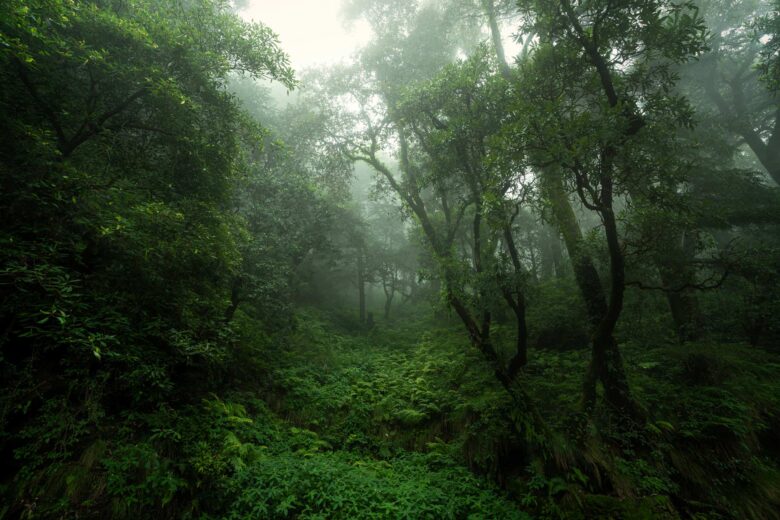
In the heart of the Himalayas lies a pretty village placed amidst the snow-capped peaks and verdant valleys, Deotha. While the world embraces modernity, Deotha continues to preserve its age-old traditions. The village is known for its vibrant cultural festivities that reflect its rich heritage. Among them, the Fagli Festival stands out as the most significant and colorful celebration.
The Fagli Festival is a traditional celebration in Himachal Pradesh, especially in the districts of Shimla, Kinnaur, and Kullu. Local communities celebrate this festival in February or March to welcome the transition from winter to spring. People also know the festival as ‘Faguli’ or ‘Fag.’
Fagli is a colorful and vibrant festival that reflects the rich culture and traditions of Himachal Pradesh. People across the region celebrate it with great enthusiasm and joy. During the festival, communities gather to perform traditional rituals, enjoy cultural performances, and take part in various communal activities. The celebration strengthens social bonds and keeps local heritage alive for future generations.
One of the highlights of the Fagli Festival is its traditional folk dances and music performances. Dancers wear colorful attire and perform vibrant routines. Folk music accompanies these performances, creating a lively atmosphere. The celebrations beautifully showcase the rich cultural heritage of Himachal Pradesh.
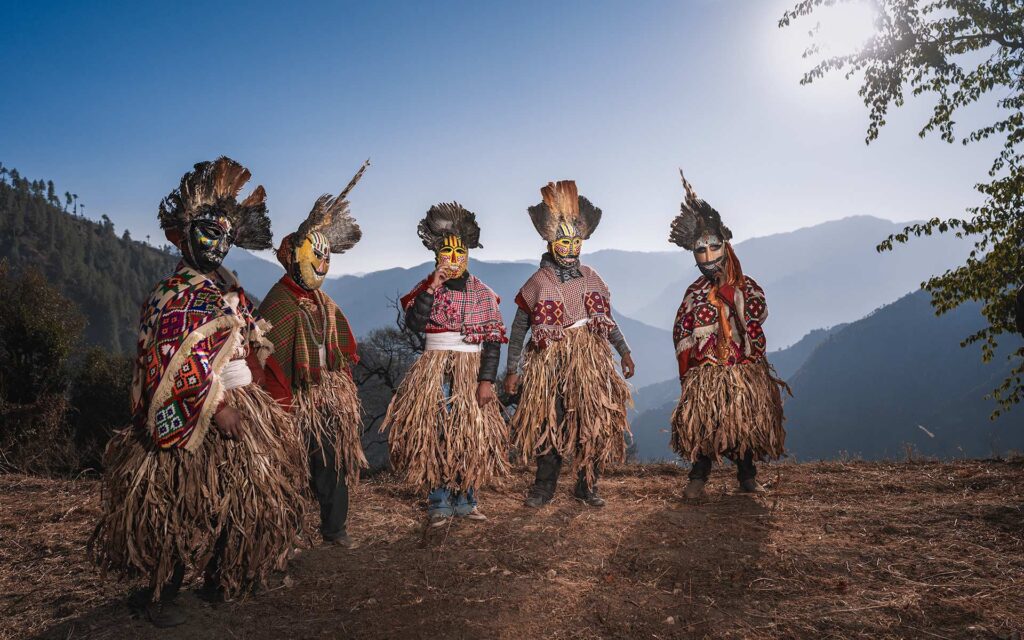
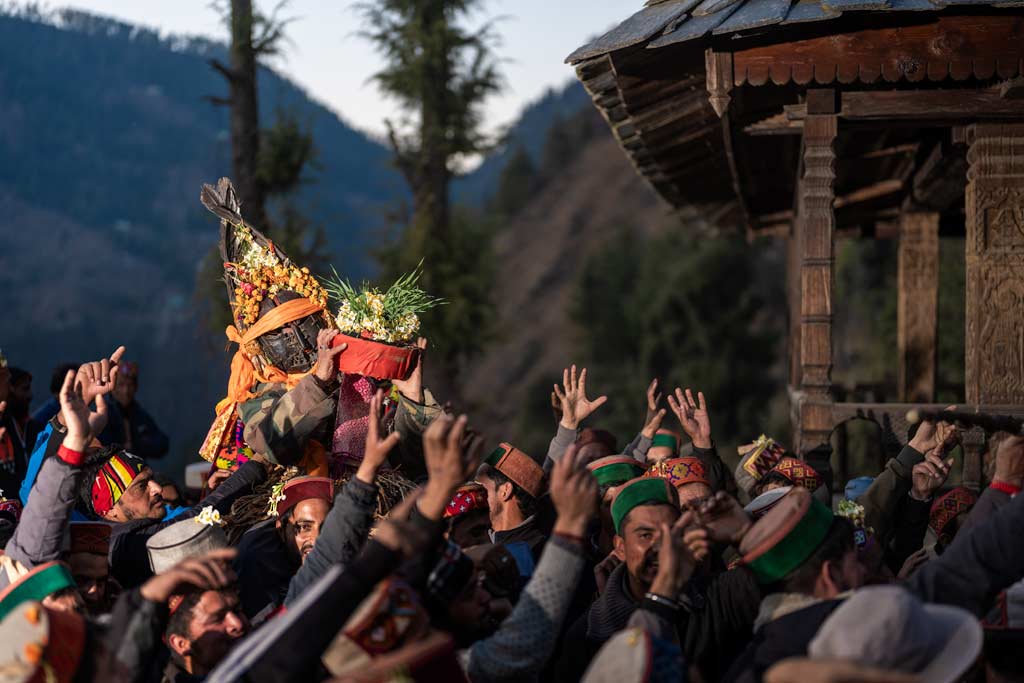
The festival also features a ritualistic procession of deities. Devotees carry idols of local gods and goddesses through the streets. The air fills with chanting, traditional music, and festive celebrations. People believe this sacred procession brings blessings and good fortune to the community.
Traditional Attire and Rituals
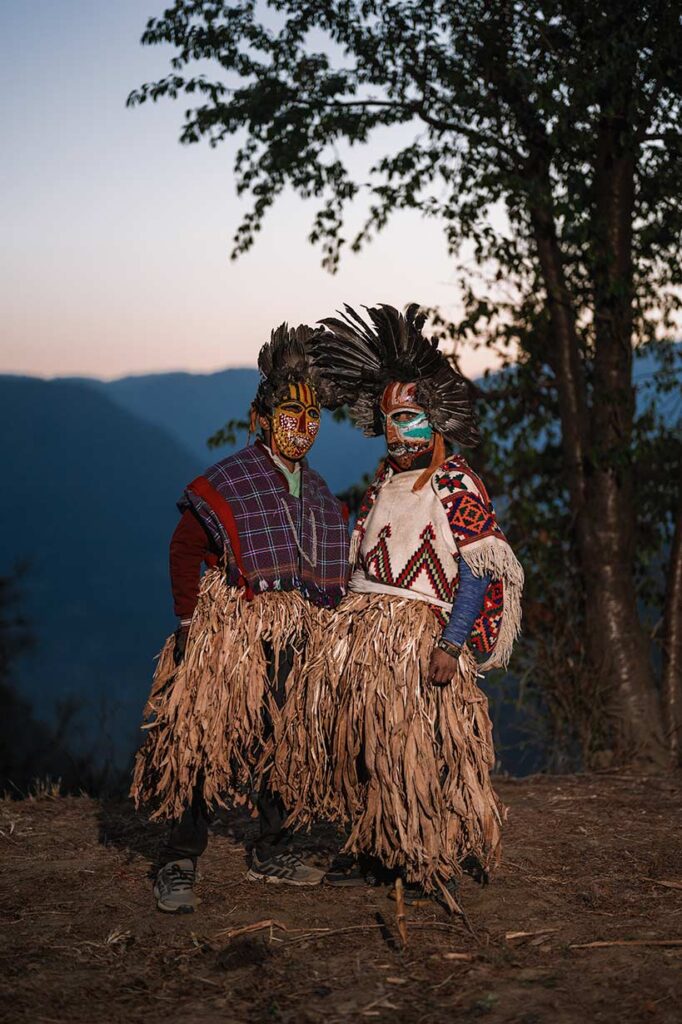
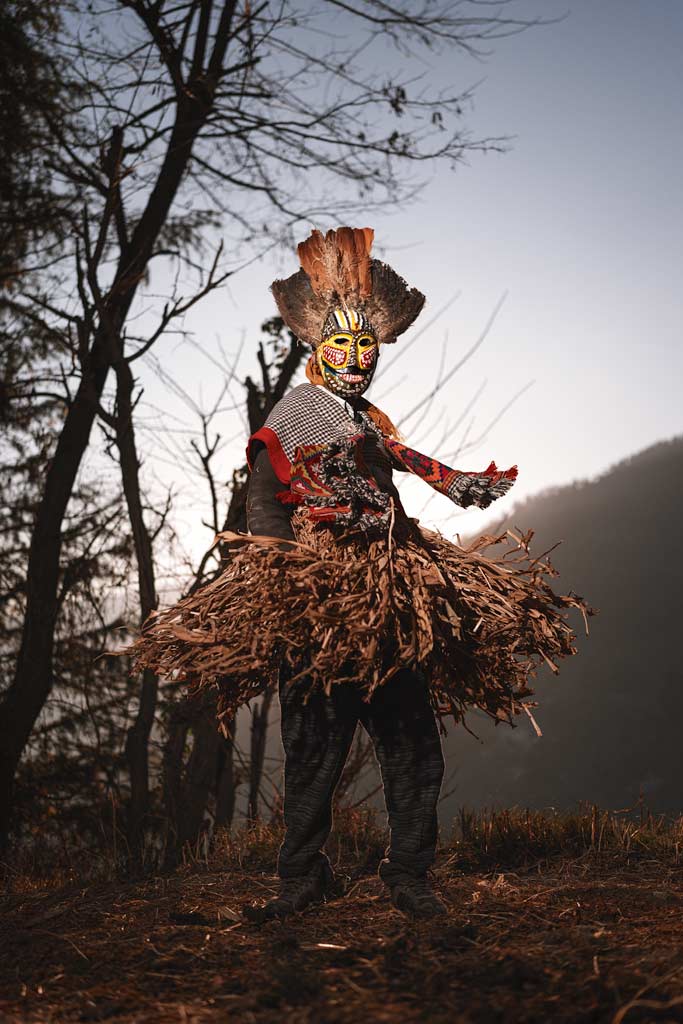
The Fagli Festival is primarily celebrated by men, who take part in various ceremonial activities while women enjoy a more relaxed role during the festivities. PDuring the festival, participants dress in traditional attire, including dry grass skirts, colorful headgear adorned with yellow garland flowers, and distinctive wooden masks.
According to local beliefs, these wooden masks hold special significance. Additionally, some traditions suggest that speaking from behind the masks helps ward off evil spirits, adding a symbolic and spiritual dimension to the celebration.
The Significance of Wooden Masks
Wooden masks are an essential part of the Fagli Festival and remain one of its most recognizable features. Men wear or carry these masks while dancing to traditional folk music and rhythmic melodies. During performances, some dancers hold the masks against their faces, while others raise them above their heads before continuing their dance movements.
A Vibrant Carnival-Like Celebration
In many villages, the festival unfolds in an informal yet lively manner. Groups of men gather in traditional tribal attire, adorned with wooden masks, and celebrate together through music, dance, and community participation. The atmosphere often resembles a colorful carnival, reflecting the rich cultural heritage and festive spirit of the region.
Conclusion
Overall, the Fagli Festival is a time for the people of Himachal Pradesh to come together, celebrate their cultural heritage, and usher in the new season with joy and enthusiasm. The festival preserves rich traditions and customs passed down through generations and continues to play a vital role in the region’s cultural heritage. Bhigasa offers a serene retreat where guests can truly experience the essence of local culture and traditions.
FAQs: Celebrating Tradition – The Fagli Festival
1. What is the Fagli Festival?
The Fagli Festival is one of Himachal Pradesh’s most cherished traditional cultural celebrations. It marks the end of winter and welcomes the arrival of spring with rituals, folk dances, music, and community gatherings.
2. When does the Fagli Festival take place?
Different villages celebrate the Fagli Festival in February or March according to their local traditions and calendars.
3. Where is the Fagli Festival celebrated?
Fagli is primarily celebrated in the districts of Shimla, Kullu, and Kinnaur in Himachal Pradesh, including traditional villages such as Deotha.
4. Why is the Fagli Festival important?
Moreover, the festival symbolizes the transition from winter to spring while helping preserve the cultural heritage, customs, and traditions of Himalayan communities.
5. What are the main attractions of the Fagli Festival?
Traditional folk dances, local music performances, colorful costumes, religious rituals, deity processions, and community feasts are among the festival’s main highlights.